
Editorial · connection skills
Presence is a skill — not a personality trait
Offline chemistry is less about charisma and more about coordinated calm: two nervous systems learning it is safe to be human together.
Editorial · wellbeing


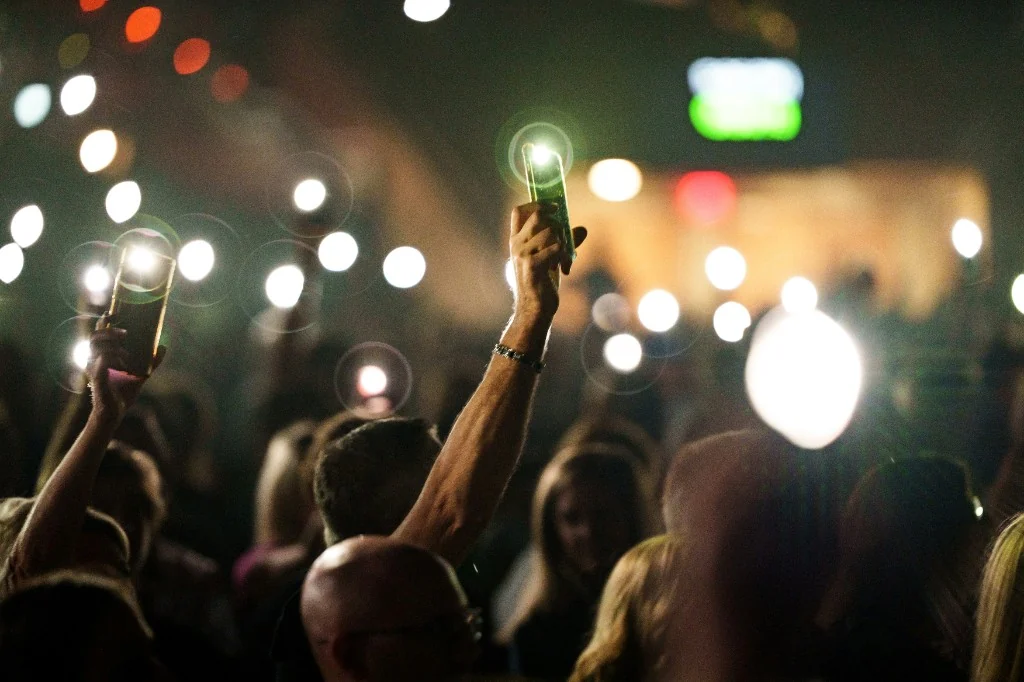
In-person presence over performance
Key takeaways
- Drop the script: curious questions beat monologues.
- Match pace: if they speak slowly, decelerate; mirroring builds subconscious safety when subtle.
- Phone-down periods signal respect; glancing at notifications trains the other person to disinvest.
- Repair beats perfection: a simple “thanks for sharing that — I want to respond thoughtfully” buys depth.
1.The performance trap
Many people enter social situations with an implicit KPI: be interesting. KPI-driven conversation feels brittle. It produces interruptions, one-upping, and that uncanny “podcast voice” people adopt when anxious.
A more robust frame is to be interested. Interest is actionable: you can prepare two open questions that are not generic (“how was traffic”) but specific to the setting (“what made you pick this neighborhood?”). You can also prepare to listen for emotion words and reflect them briefly (“sounds tiring”) without playing therapist.
2.Attention as generosity
Attention is finite; sharing it is socially expensive in a good way. Small behaviors—turning your torso toward the other person, putting your phone face-down, nodding once to invite continuation—communicate “you are the main thread right now.”
If you are doing a Daremeet challenge, align the challenge with presence: a compliment lands when it is specific and proportionate; a coffee offer lands when it respects refusal without negotiation.
3.Signals of psychological safety
Psychological safety does not mean “comfortable all the time.” It means the interaction tolerates honesty without punishment. You contribute to safety by not punishing others for boundaries, by not weaponizing vulnerability, and by correcting small misunderstandings early instead of letting resentment build up.
If you notice the other person shrinking, name it kindly: “We can slow down — no rush.” That sentence costs almost nothing and pays disproportionate dividends.
4.Repair and rupture
Misattunements happen. What differentiates prosocial interactions is repair: acknowledging the bump, offering a do-over, and moving forward without groveling. A simple template: “I think I misread that — thanks for telling me.”
If repair repeatedly fails or the other person belittles you for having needs, end the interaction. Presence includes self-respect.
5.Tying presence to Daremeet challenges
Challenges are scaffolding, not scripts. They exist to give you a legitimate reason to practice prosocial behavior in the wild. The win condition is not “romantic spark every time”; it is building a pattern of showing up with clarity and kindness.
That pattern compounds into confidence that does not depend on external validation.